


Trading Lesson

Money, Saving and Stock Trading in Pakistan: What I Learned About Managing Finance

Managing money sounds simple until you actually start earning it.

For many young people in Pakistan, the first financial goal is usually to earn more. But after earning, another question appears: Where should the money go?

I became interested in this question because trading and investing are becoming increasingly popular among young Pakistanis. Social media is full of people showing screenshots of profits and talking about how much money they made in the market.

But there is another side of the story that is rarely shown: losses, emotional decisions, waiting for the right opportunity, and learning to control your own behavior.

This is what makes personal finance important.

Saving Money Is the First Step

Before thinking about trading, I believe a person should understand basic money management.

Imagine someone earns Rs. 50,000 per month but spends almost all of it. Even if that person later starts earning Rs. 100,000, the same spending habits can continue.

The amount of money you earn is important, but how you manage it is equally important.

A simple approach is to divide your income into different purposes:

  • Daily and household expenses
  • Savings
  • Emergency money
  • Investment
  • Personal spending

The exact percentage will be different for every person because everyone’s income and responsibilities are different.

The main idea is simple: don’t invest money that you cannot afford to lose.

My First Lesson About Trading
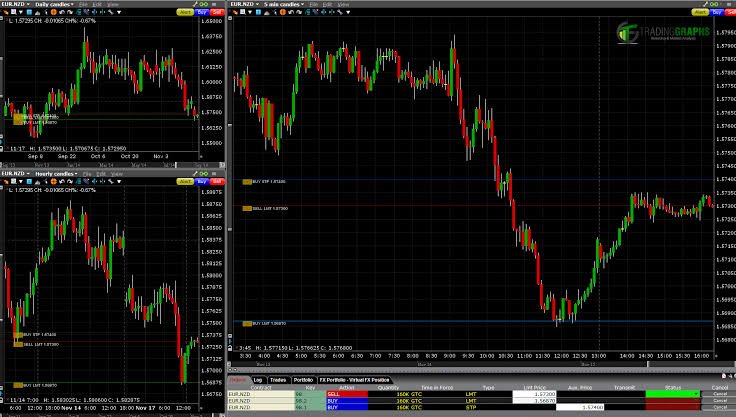
One of the biggest lessons a beginner can learn about trading is that the market does not care about your expectations.

You can buy a stock because you think its price will rise, but the market can move in the opposite direction.

This is where emotions become dangerous.

A beginner might see a stock moving upward and think:

“If I don’t buy now, I will miss the opportunity.”

So they enter the market without proper research.

Then the price falls.

Instead of accepting a small loss, they may keep waiting because they believe the price will come back.

Sometimes it does.

Sometimes it doesn’t.

This is how a small mistake can become a much bigger financial problem.

Trading Is Not the Same as Getting Rich Quickly

Social media can create a misleading picture of trading.

You may see someone post:

“I made Rs. 20,000 today.”

But you usually don’t see the complete picture.

You don’t know how much capital they used, whether they had previous losses, what fees they paid, or how much risk they took.

The Pakistan Stock Exchange warns investors against unrealistic-return promises and investing based on rumors or hearsay. It also recommends assessing your risk tolerance and researching investments before putting money into them.

Trading should therefore be treated as a financial activity with risk—not as a guaranteed income source.

A Realistic Beginner Experience

Let’s take a simple example.

Suppose a person has Rs. 100,000 available for investment.

They find a company whose share price has been increasing for several days. Friends are talking about it, social media is discussing it, and the person decides to buy simply because everyone else seems to be buying.

The price initially increases.

The person feels confident.

Then the market turns around and the share price falls.

Now there are two emotions:

Greed: “Maybe it will go back up.”

Fear: “What if it keeps falling?”

This is where having a plan becomes important.

Instead of making decisions emotionally, an investor should know why they bought the investment, how much risk they can tolerate, and what information would make them change their decision.

There is no guaranteed way to avoid losses, but having a disciplined approach can prevent many unnecessary mistakes.

What I Would Check Before Buying a Stock
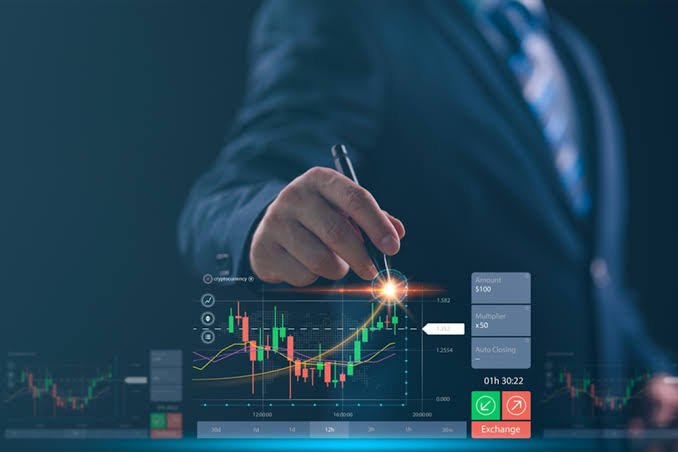
If I were evaluating a company, I wouldn’t look only at its share price.

I would want to understand:

  • What does the company actually do?
  • Is the business profitable?
  • How has its financial performance changed?
  • What is happening in its industry?
  • Does the company have significant debt?
  • What risks could affect the business?
  • Why am I buying this stock?
  • Am I investing for the short term or long term?

PSX also recommends researching companies and considering publicly available information rather than relying on rumors or herd behavior.

Pakistan’s Stock Market
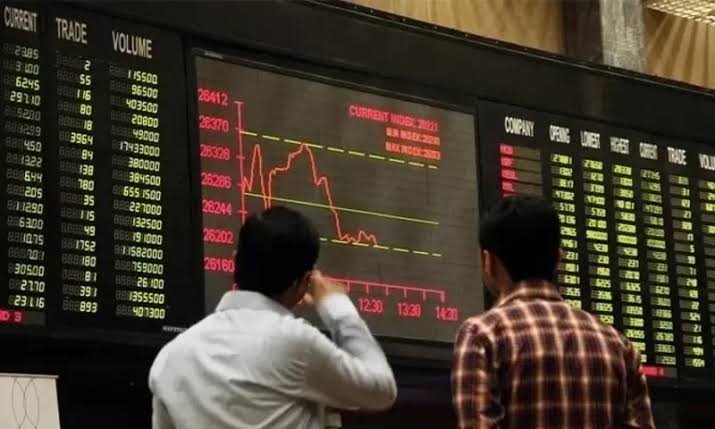
The Pakistan Stock Exchange is one of the main places where investors can buy and sell shares of listed companies in Pakistan.

According to PSX’s investor information, the exchange has more than 500 listed companies across more than 35 sectors. The market also operates alongside institutions such as CDC and NCCPL for custody and settlement functions.

For someone starting out, understanding how the system works is more important than immediately trying to make money.

A beginner should first learn how a brokerage account works, how orders are placed, how trades are confirmed, and where shares are held.

PSX advises investors to use properly licensed securities brokers and to open trading accounts in their own names.

Be Careful With Trading Groups on Social Media

One of the biggest dangers for beginners is trusting strangers online.

You may find WhatsApp, Telegram, Facebook, or other social-media groups claiming:

  • “Guaranteed profit.”
  • “100% sure signal.”
  • “Double your money.”
  • “Insider information.”

These claims should immediately make you cautious.

No legitimate investment can simply guarantee that you will make a specific profit from the stock market.

Never send your money to someone simply because they show screenshots of successful trades.

Also, never give your trading password or account access to another person without fully understanding the risks. PSX specifically warns investors about unauthorized access and recommends keeping online trading credentials secure.

Trading vs Long-Term Investing
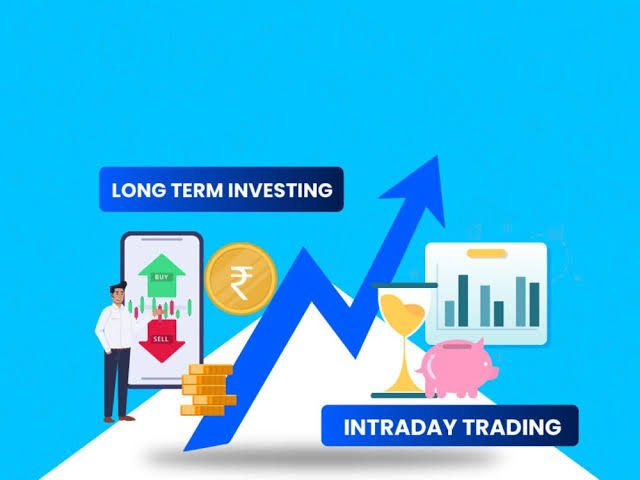
Trading and investing are often used as if they mean the same thing, but they can involve very different approaches.

Trading generally focuses more on shorter-term price movements.

Long-term investing focuses more on owning an investment based on the underlying business and holding it for a longer period.

Neither approach automatically guarantees success.

A person who trades frequently may face more emotional pressure and transaction costs. A long-term investor still needs to research the companies and accept that prices can fall.

The right approach depends on a person’s goals, knowledge, financial position, and tolerance for risk.

Don’t Put All Your Money Into One Investment

trading

Diversification is another important concept.

If someone puts all of their savings into one company and that company performs badly, their entire investment can be affected.

Spreading investments across different assets or sectors can help reduce concentration risk. PSX also recommends diversification as one way to manage investment risk.

However, diversification doesn’t mean that losses are impossible. Every investment carries some level of risk.

What Trading Taught Me About Money

The biggest lesson isn’t about finding the perfect stock.

It’s about controlling yourself.

Money can change the way people think. When prices rise, greed can make us want more. When prices fall, fear can make us want to sell immediately.

A good financial decision isn’t necessarily the decision that makes the most money.

Sometimes the best decision is simply not taking a trade because the opportunity doesn’t make sense.

That is something beginners often learn only after spending time watching the market.

A Simple Rule for Beginners

If you’re completely new to investing in Pakistan, don’t begin by asking:

“How can I make Rs. 10,000 every day?”

Start with:

  • “How can I understand the market without putting my financial future at unnecessary risk?”
  • Learn first.
  • Start small if you eventually decide to invest.
  • Keep records.
  • Understand the fees and taxes that apply to your transactions.

Don’t follow random signals.

And never invest money needed for rent, education, food, debt payments, or other essential expenses.

Final Thoughts

Building financial stability doesn’t happen overnight.

Saving money, increasing your income, learning about investments, and understanding risk are all parts of the journey.

Trading can be an interesting way to learn about financial markets, but it should never be presented as easy money.

For anyone in Pakistan thinking about entering the stock market, the first investment should be education.

Once you understand how the market works, how much risk you can handle, and why you are investing, you can make decisions based on your own research instead of someone else’s social-media screenshot.

The goal isn’t to become rich quickly. The goal is to become financially smarter with every decision you make.

Disclaimer

This article is for general educational and informational purposes only. It is not financial or investment advice. Stock-market investments involve risk, and past performance does not guarantee future results. Before investing, consider your own financial situation and, where appropriate, seek advice from a qualified professional.
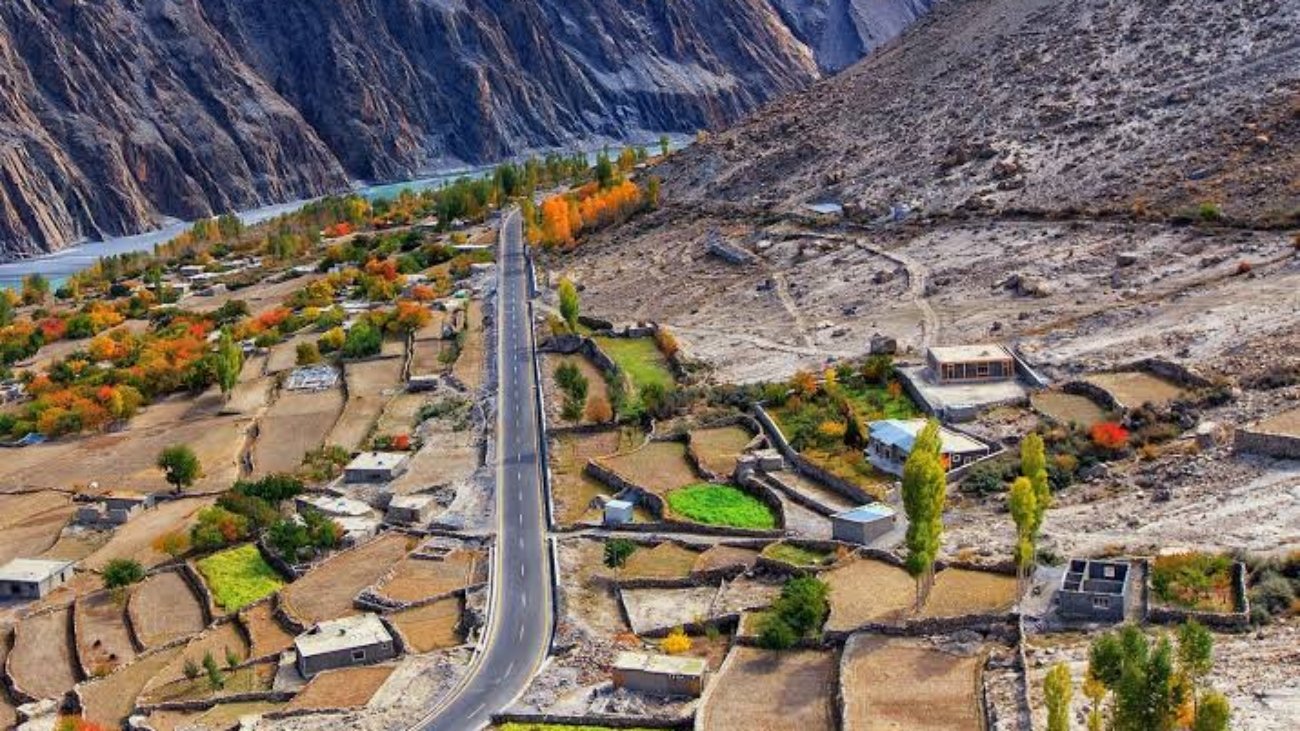

beauty of skardu hunza pakistan

How to Explore Pakistan on a Budget: A Realistic Guide for First-Time Travelers

Pakistan is one of those countries where you can travel for days and still feel like you have only seen a small part of it. From the mountains of the north to the historical streets of Lahore and the peaceful landscapes of Punjab, there is something for almost every kind of traveler.

The good thing is that exploring Pakistan does not always require a huge budget. With a little planning, you can enjoy memorable trips without spending a fortune.

I have learned that the biggest difference between an expensive trip and an affordable one is usually not the destination—it is how you plan it.

Choose Your Destination According to Your Budget

Before deciding where to go, first decide how much you can comfortably spend.

If you have a smaller budget, consider destinations that are closer to your city. Traveling shorter distances can save a surprising amount of money.

For example, if you are from Punjab, places such as Lahore, Islamabad, Murree, Nathia Gali and nearby areas can be easier to explore on a limited budget than traveling all the way to the far northern areas.

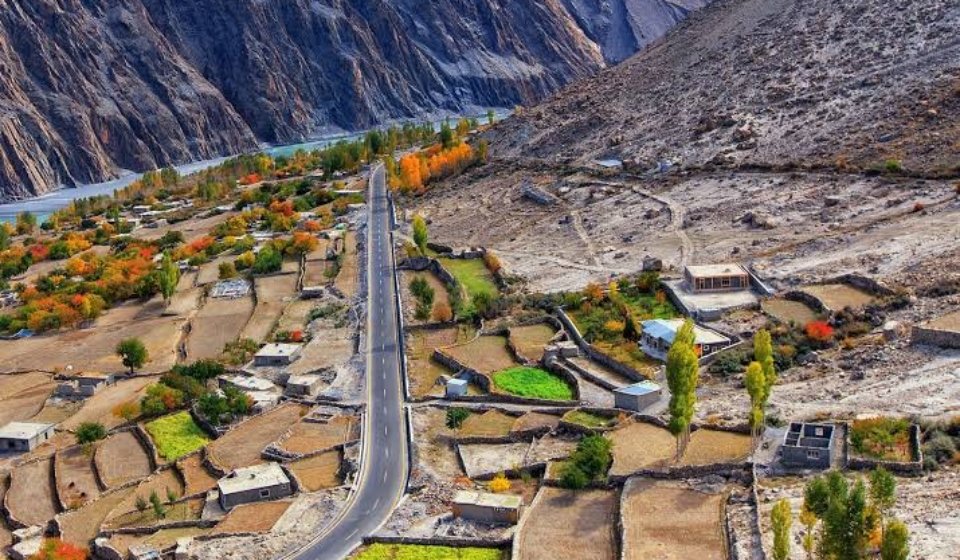
If you have a bigger budget and more time, destinations such as Hunza, Skardu, Fairy Meadows and Swat can offer completely different experiences.

The important thing is not to choose a destination simply because it looks beautiful on Instagram. Choose somewhere that fits your time, transportation and budget.

Travel During the Right Season

Timing can make a big difference.

Popular tourist destinations can become expensive during peak seasons because hotels and transportation are in high demand. Traveling slightly before or after the busiest period can sometimes help you find better prices and fewer crowds.

However, always check the weather and road conditions before leaving. A cheaper trip is not worth it if weather conditions make the journey unsafe or uncomfortable.

Save Money on Transportation

Transportation can become one of the biggest expenses during a trip.

If you are traveling with friends or family, sharing the cost of a car can make a private journey much more affordable.

For longer routes, compare different options before booking. Buses, trains and shared transport can sometimes save a significant amount compared with private vehicles.

Also remember that the cheapest option is not always the best option. Consider travel time, comfort, safety and reliability as well.

Don’t Always Choose Expensive Hotels

A beautiful hotel can make a trip more comfortable, but it is not necessary for every traveler.

If you are going to spend most of your day exploring, a clean and safe guesthouse or budget hotel may be all you need.

Before booking accommodation, check recent reviews and look at the location carefully. A cheap hotel far away from everything may actually cost more once you start paying for daily transportation.

Sometimes spending a little more on a centrally located place can save money overall.

Eat Like a Local

One of my favorite ways to experience Pakistan is through its food.

You don’t need an expensive restaurant to enjoy good food. Local restaurants and street-food spots can offer some of the most memorable meals of the trip.

Depending on where you travel, you can try local dishes and specialties instead of eating at expensive tourist restaurants every day.

Just make sure the place looks clean and has good customer traffic, especially when trying street food.

Keep Some Extra Money for Unexpected Expenses

This is something many first-time travelers forget.

Even when you make a detailed budget, unexpected expenses can appear. Your vehicle may need fuel, you might need to buy something you forgot to pack, or your travel plans may change because of weather.

I recommend keeping an emergency amount separate from your main spending money.

You may never need it, but having it can make you feel much more relaxed during the journey.

Pack According to Your Destination

Don’t make the mistake of packing the same clothes for every part of Pakistan.

The weather can change dramatically from one region to another.

If you are heading toward the northern areas, check the expected temperatures and pack accordingly. Comfortable shoes are also extremely important if you plan to hike or walk for long periods.

A power bank, basic medicines, water bottle, sunscreen and some snacks can also be useful during long journeys.

Explore Beyond the Famous Places

katas raj temples chawal

Pakistan has many famous tourist destinations, but some of the best memories can come from places that are not constantly appearing on social media.

Talk to local people, ask about nearby viewpoints, markets, villages and food spots, and explore responsibly.

Sometimes a small local restaurant or a quiet viewpoint becomes more memorable than the famous attraction you originally planned to visit.

Respect Local Culture

Travel is not only about taking pictures.

Every area of Pakistan has its own culture, traditions and way of life. Dress appropriately, respect local customs and always ask before photographing people.

Keep natural areas clean and avoid damaging the environment.

If you visit a beautiful mountain valley, remember that thousands of other people may want to enjoy the same place after you.

A Simple Budget Example

For a short trip, your budget can be divided into a few basic categories:

  • Transportation: 30–40%
  • Accommodation: 20–30%
  • Food: 15–20%
  • Activities and sightseeing: 5–15%
  • Emergency/miscellaneous: 10%

These percentages are only a starting point. Your actual spending will depend on your destination, travel style and number of days.

Final Thoughts

  • You don’t need to be rich to explore Pakistan.
  • You need curiosity, some planning and a realistic budget.

Whether you are watching the sunrise in the mountains, exploring an old city, eating local food with friends or simply enjoying a peaceful road trip, the experience is often more valuable than how much money you spend.

Start with a destination that fits your budget. Plan your transportation and accommodation carefully, keep some emergency money aside, and leave some room for unexpected experiences.

Pakistan has a lot to offer, and you don’t have to see everything in one trip.

Sometimes, the best journey is simply the one you can actually afford and enjoy without worrying about every rupee.

My Pak Guide is here to help you discover Pakistan—one destination, one experience and one journey at a time.

Logos_Telecom2

How to Check SIMs Registered on Your CNIC in Pakistan (2026 Guide)

If you have ever wondered how many SIM cards are registered against your CNIC, you can check your SIM registration information through the official channels provided for mobile subscribers in Pakistan.

Checking your SIMs regularly is a good way to keep track of mobile connections associated with your identity. If you notice a SIM that you do not recognize, you should contact the relevant mobile operator and follow the official process to have the matter investigated.

In this guide, we explain how to check SIMs registered against your CNIC, what information the service provides, and what you should do if you find an unfamiliar SIM.

What Is a SIM Registered Against a CNIC?

When you purchase and activate a SIM card in Pakistan, the mobile connection is registered using your identity information.

Your CNIC is therefore associated with the SIM connections registered in your name. The official SIM-information system allows users to check the number of SIMs associated with their CNIC.

This can help you identify connections that you may no longer use or do not recognize.

How to Check SIMs Registered on Your CNIC Online

You can use the official SIM Information System to check the number of SIMs associated with your CNIC.

Step 1: Open the official SIM Information System

Visit the official PTA SIM Information System website.

Step 2: Enter your CNIC number

Enter your CNIC number according to the instructions shown on the official website.

Make sure you enter the information accurately.

Step 3: Complete the verification

Complete any verification or security step displayed by the website.

Step 4: View your SIM information

After successful verification, the system can show information about the mobile networks associated with your CNIC.

The information may be presented according to the respective mobile operators.

Important: Use the official PTA service rather than unofficial websites that claim to provide private subscriber information.

How to Check SIMs Through SMS

Pakistan also provides an SMS-based method for checking SIM information.

You can send your CNIC information through the official SMS procedure specified by PTA. The service can return information about the number of SIMs associated with your CNIC.

Because SMS procedures and service details can change, check the current instructions on the official PTA SIM Information System before using the service.

Can You Check the Name of a SIM Owner?

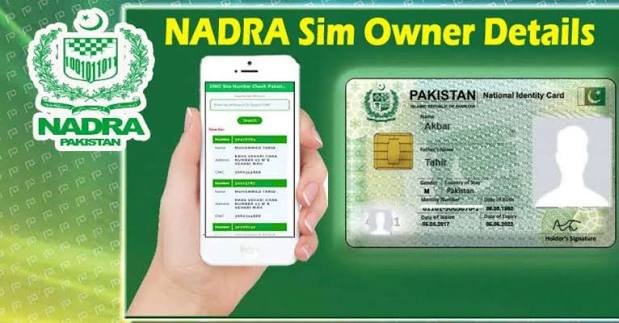
The SIM-information service is designed to help users check SIMs associated with their own CNIC.

You should not use unofficial websites, applications, or services that claim they can reveal another person’s private subscriber information.

Avoid entering your CNIC, mobile number, or other personal information into unknown websites.

What Should You Do If You Find an Unknown SIM?

If the results show a mobile connection that you do not recognize, don’t ignore it.

Contact the relevant mobile network operator through its official customer service channels and ask them about the connection.

Depending on the circumstances, you may need to visit an authorized franchise or service center with your original CNIC for verification and further action.

Do not share your CNIC details publicly or with unauthorized people while trying to resolve the issue.

Why Should You Check Your Registered SIMs?

There are several good reasons to periodically check the mobile connections associated with your CNIC.

  1. Identify unused SIMs

You may have old SIM cards that you no longer use.

  1. Find unfamiliar connections

A check can help you identify a connection that you don’t recognize.

  1. Keep your information organized

Knowing which SIMs are registered in your name helps you maintain better control over your mobile accounts.

  1. Protect your personal information

Keeping track of accounts and services associated with your identity is an important part of basic digital security.

Can I Check SIMs Registered Against Someone Else’s CNIC?

You should only use official services to check information associated with your own CNIC.

Trying to obtain another person’s private subscriber information without authorization can raise privacy and legal concerns.

If you have a legitimate reason to deal with a SIM registered under another person’s identity, the appropriate mobile operator or relevant authority should be contacted.

Frequently Asked Questions

How can I check how many SIMs are registered on my CNIC?

You can use the official PTA SIM Information System and follow its current verification procedure to check the SIMs associated with your CNIC.

Is the SIM information service free?

Check the current charges and terms displayed by the official PTA service before using the service, as procedures and charges can change.

What if I find a SIM I don’t recognize?

Contact the relevant mobile network operator through its official customer service channel. You may be asked to visit an authorized service center with your original CNIC.

Can I check SIM information using a mobile phone?

Yes. PTA provides official methods for checking SIM information through online and mobile-based services. Use the current procedure provided by PTA.

Can I remove an unwanted SIM from my CNIC?

If a SIM is registered under your CNIC and you no longer want it, contact the relevant mobile operator and follow its official procedure for blocking or disowning the connection.

Is it safe to enter my CNIC on random SIM-checking websites?

No. You should avoid unofficial websites that request sensitive personal information. Use official PTA or mobile-network channels whenever possible.

Final Thoughts

Checking the SIM cards registered against your CNIC is a simple way to stay aware of the mobile connections associated with your identity.

If you find an unfamiliar or unwanted connection, contact the relevant mobile network operator and use the official procedure to resolve the issue. Avoid unofficial websites and never share your CNIC or other sensitive information publicly.

For the latest SIM-registration procedures and requirements, always refer to the official PTA information and your mobile network operator.